Top 10 Tips for Choosing Blow Up Boats With Motors?
Choosing the right "Blow Up Boat With Motor" is crucial for a successful water adventure. According to marine expert John Tanner, “Picking the perfect inflatable boat requires careful consideration of various factors.” Whether you are looking for leisure fun or serious fishing trips, this decision can greatly impact your experience.
When selecting a blow-up boat, you need to keep performance at the forefront. Consider the motor's compatibility and power, as it directly affects speed and maneuverability. Not all inflatable designs suit every motor. Each option has its unique characteristics that can enhance or hinder your experience.
Quality matters too. You want a boat that can withstand wear and tear. Look for durable materials and good construction for longevity. Keep in mind that a higher price doesn’t always guarantee better quality. Take time to research and perhaps consult various reviews. This extra effort will pay off when you’re out on the open water, enjoying your investment. Make an informed choice to ensure your time on the water is both safe and enjoyable.
Understanding the Types of Blow Up Boats with Motors Available
When it comes to blow-up boats with motors, understanding the types available is crucial. There are several options to choose from. The most common types include inflatable kayaks, rafts, and pontoons. Each type serves a different purpose and offers distinct features. Inflatable kayaks are great for solo adventures, while pontoons provide more stability for fishing or larger groups.
The materials used in construction also vary. Some inflatable boats use durable PVC, while others may feature heavy-duty vinyl. Consider the boat's weight capacity and the engine's power. Lighter boats are easier to transport but may have limits on motor size. On the other hand, heavier models can support stronger motors but require more effort to carry.
Always check the boat's design for safety features. Look for reinforced seams and proper buoyancy. Many boats come with additional accessories like built-in fishing rod holders or storage compartments. Remember, the best choice is one that fits your specific needs and activities. Be open to exploring different options before making a decision. This reflection will lead to a more informed choice.
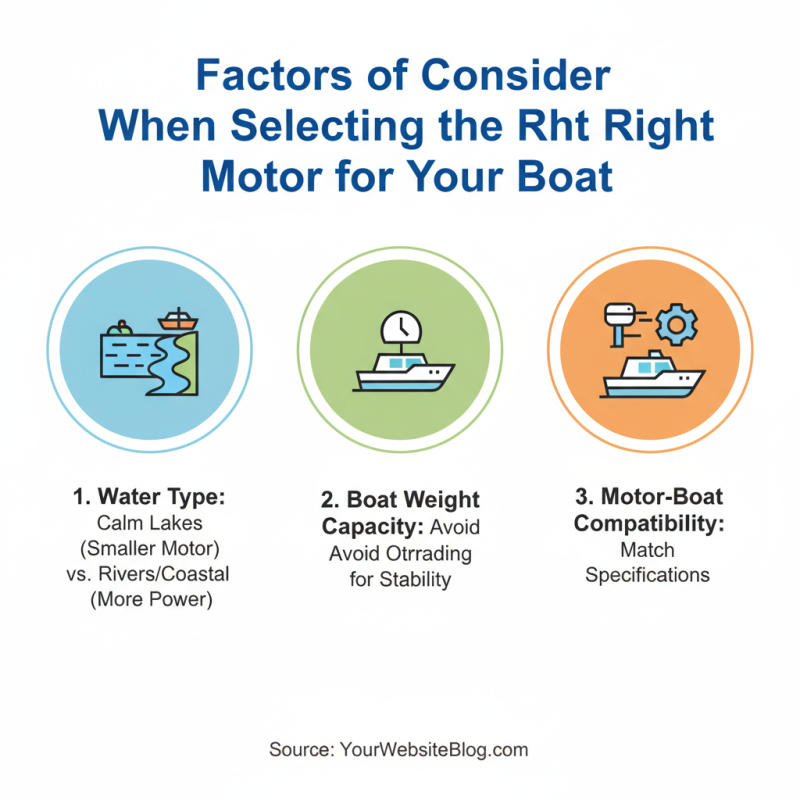
Factors to Consider When Selecting the Right Motor for Your Boat
When selecting a motor for your blow-up boat, consider the type of water you'll navigate. If you're mainly on calm lakes, a smaller motor might suffice. However, for rivers or coastal waters, a more powerful option is essential. Assess the weight capacity of your boat. A motor too heavy can affect performance and stability. Ensure the motor aligns with the boat’s specifications.
Power output is critical. Motors come in various horsepower levels. Choose one that matches your intended use. For leisurely outings, a lower horsepower can work. Yet, for fishing or faster travel, opt for a higher rating. An efficient motor can make a significant difference in fuel consumption.
Consider ease of use. Some motors feature advanced technology for smoother operation. A well-designed motor simplifies control, enhancing your boating experience. Don't overlook maintenance needs. A simple motor might require less upkeep, making it a practical choice. Always think about your long-term boating plans when making a decision. It’s common to feel overwhelmed by options; taking time to research can lead to a better fit for your needs.
Assessing the Material Quality and Durability of Inflatable Boats
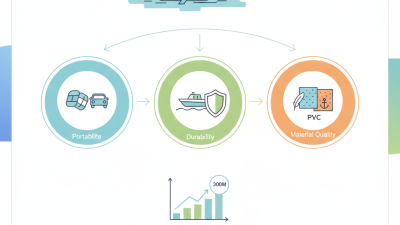
When choosing an inflatable boat, material quality is crucial. The material determines the boat's durability, performance, and safety. High-quality materials, like PVC and Hypalon, offer excellent resistance to punctures and UV damage. PVC is lighter and cost-effective, but it may not last as long as Hypalon. Hypalon provides superior longevity but can come with a higher price tag.
Examine the thickness of the material. Thicker materials often indicate better durability. Look for boats with reinforced seams. They withstand wear and tear more effectively. A well-stitched seam can make a big difference in the long run. Consider the boat's intended use. If you plan to navigate rocky waters, opt for a tougher material. Avoid boats that feel flimsy when inflated. A sturdy feel suggests a more reliable product.
Be wary of overly low prices. These can signal poor quality materials. Research customer reviews for insights on durability. Engaging with community forums can provide real-life experiences. Reflecting on past mistakes can guide your decision-making. Ensure your inflatable boat radiates reliability and confidence on the water.
Top 10 Tips for Choosing Blow Up Boats With Motors: Material Quality and Durability Assessment
Evaluating Size and Capacity for Optimal Boat Performance
When selecting blow-up boats with motors, evaluating size and capacity is crucial. The performance of the boat often hinges on these factors. According to a study by the National Marine Manufacturers Association, an ideal boat length for stability and speed typically ranges from 10 to 14 feet. The length impacts maneuverability, especially in tighter water bodies.
Capacity is another vital consideration. Choices often depend on the intended use. A boat designed for leisure tends to need less capacity than one for fishing. Research reveals that safety standards recommend a weight limit, usually about 150 pounds per foot of boat length. This weight guideline helps prevent overloading, which can compromise performance.
A common mistake is underestimating the need for space. A boat must accommodate all passengers comfortably plus additional gear. This includes life jackets and fishing equipment. Users often overlook the importance of these specifics. Small adjustments to size and capacity can lead to noticeable differences in performance. Understanding these details can significantly enhance boating experiences. Balancing size with purpose isn't always straightforward, and many boaters find themselves reflecting on their choices after their first outings.
Top 10 Tips for Choosing Blow Up Boats With Motors
| Tip |
Description |
Recommended Size (ft) |
Max Capacity (People) |
Motor Type |
| 1. Understand Your Needs |
Assess your intended use like fishing, leisure, or transportation. |
10-14 |
3 |
Electric or Gas |
| 2. Check Material Durability |
Look for boats made from high-quality, puncture-resistant materials. |
10-16 |
4 |
Gas |
| 3. Evaluate Size for Performance |
Consider the dimensions that will provide stability and speed. |
12-18 |
5 |
Electric |
| 4. Look for Built-in Features |
Features such as storage compartments and cushioned seating enhance usability. |
10-15 |
3 |
Gas |
| 5. Consider Weight Capacity |
Ensure the boat can handle the weight of passengers and equipment. |
10-14 |
4 |
Electric or Gas |
| 6. Research Motor Options |
Choose between electric motors for quiet use or gas motors for power. |
12-20 |
6 |
Gas |
| 7. Assess Portability |
Select a boat that is easy to deflate, store, and transport. |
8-14 |
2 |
Electric |
| 8. Check User Reviews |
Research consumer feedback to learn about real-world performance. |
10-16 |
5 |
Gas |
| 9. Review Warranty Options |
Evaluate warranty longevity and coverage for the motor and hull. |
10-18 |
4 |
Electric or Gas |
| 10. Set a Budget |
Determine a budget that accounts for initial purchase and maintenance costs. |
Varies |
Varies |
Varies |
Exploring Budget and Price Points for Blow Up Boats with Motors
When selecting blow up boats with motors, it's crucial to consider your budget carefully. Prices can vary significantly based on size, materials, and features. You might find basic models starting around $300, while high-end options can exceed $1,000. Think about how often you'll use the boat. A cheap option might suffice for occasional outings, but frequent users may need a more durable choice.
One important tip is to assess the materials used in construction. Higher-quality materials often come at a higher price point but provide better longevity and safety. Read customer reviews to gauge reliability. Consider the size of the boat too. A larger boat generally costs more but offers more space for storage and passengers.
Don’t overlook the motor's quality and efficiency. Sometimes a budget-friendly boat may have a less powerful motor. Reflect on your needs. A smaller motor could be sufficient for calm waters but inadequate for larger bodies. Weigh your options. Aim for a balance between cost and capability to ensure a worthwhile investment.