Why Choose an Inflatable Dinghy for Your Water Adventures?
Inflatable dinghies have gained immense popularity among water sports enthusiasts. According to a recent market research report by Allied Market Research, the inflatable boat market is expected to reach $4 billion by 2026. This is due to their versatility, ease of use, and portability.
Many boaters appreciate inflatable dinghies for their lightweight design. They can be transported in a car trunk, which appeals to those who value convenience. A typical inflatable dinghy weighs between 30 to 50 pounds. This feature allows for effortless launching and retrieval.
However, it is crucial to recognize potential drawbacks. Some inflatable dinghies may not perform well in rough waters. Users should evaluate their specific needs and intended usage carefully. Investing in a quality brand can significantly enhance reliability and safety during adventures on the water. Ultimately, choosing an inflatable dinghy can be a wise decision for water lovers, but it requires careful consideration.
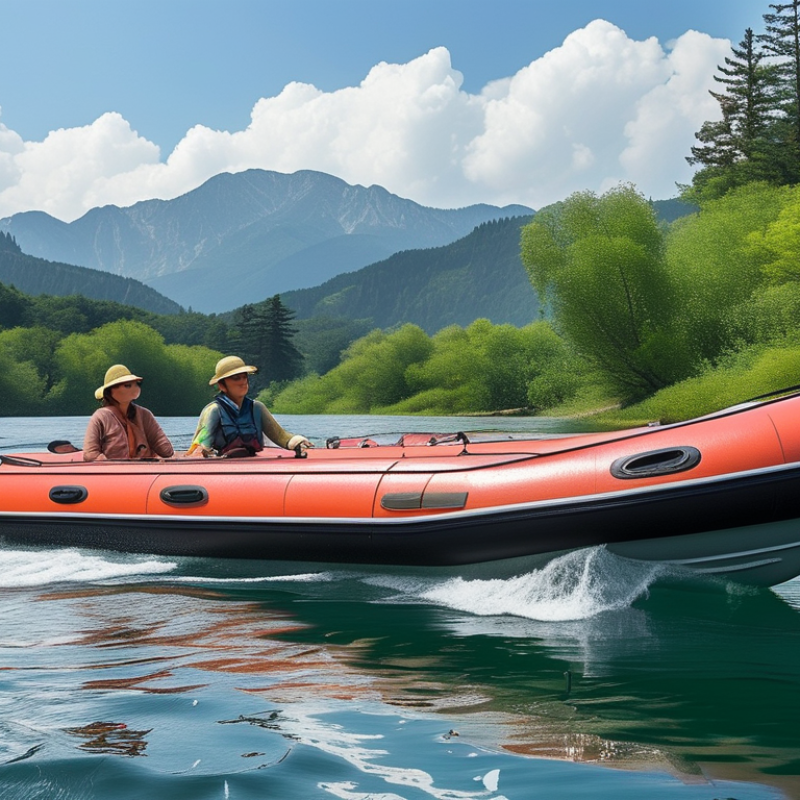
The Advantages of Inflatable Dinghies for Recreational Activities
Inflatable dinghies offer a unique blend of convenience and performance for recreational activities on the water. They are lightweight and easy to transport, making them ideal for spontaneous trips. You can quickly deflate them when not in use, allowing for efficient storage at home or on a boat. The compact size means you won’t struggle finding space for them in your vehicle.
Safety is another significant advantage. These dinghies are often designed with multiple air chambers. This feature ensures that even if one chamber gets punctured, the dinghy remains afloat. They typically have a stable design, which helps minimize the risk of tipping over. Many users appreciate this aspect, especially when on open water where conditions can change rapidly.
However, inflatable dinghies require responsible care. Proper cleaning and storage are essential to prolong their lifespan. Neglecting these can lead to punctures or degradation of the material over time. It's a reminder that convenience often comes with a responsibility. Engaging with these vessels can enhance your water adventures, but it also demands attention to their upkeep and maintenance.
Advantages of Inflatable Dinghies for Recreational Activities
Factors to Consider When Choosing an Inflatable Dinghy
When selecting an inflatable dinghy, consider the material. Many options use PVC and Hypalon.
PVC is lightweight and cost-effective. Hypalon is more durable and resistant to UV light.
This choice impacts longevity and usage.
Size matters too. Smaller dinghies are easier to transport but may feel cramped for multiple passengers.
Larger options provide space but can be cumbersome to handle. Think about your typical water adventures.
Do you need extra gear or companions?
Pay attention to the weight capacity. Make sure it can handle your load.
Some dinghies might seem adequate but can disappoint under pressure. Lastly, storage and inflation time are crucial.
Look for models that fit your storage area and inflate quickly. Spending extra time on these details pays off in the long run.
Comparison of Inflatable Dinghies and Rigid Boats
Inflatable dinghies offer many advantages over rigid boats. Their lightweight design makes them easy to transport. This feature is especially valuable for those who love spontaneous trips. Inflatable dinghies can be deflated and stored in compact spaces. It's a significant benefit for city dwellers or travelers with limited space.
Rigid boats, while sturdy, can be cumbersome and heavy. They often require trailers for transport. This can limit accessibility to various waterways. An inflatable dinghy is ready to go within minutes. This spontaneity encourages exploration. However, their durability in rough waters may raise some concerns. Users must ensure they choose quality materials.
Cost is another factor to consider. Inflatable dinghies are generally more affordable than rigid boats. However, their longevity can be questioned. Regular maintenance is crucial to avoid leaks and damages. Some may find it challenging to repair them if issues arise. It's important to weigh these pros and cons when deciding.
Safety Features of Inflatable Dinghies for Water Adventures
When embarking on water adventures, safety is a top priority. Inflatable dinghies come equipped with numerous safety features that enhance your experience. One significant safety aspect is their buoyancy. These vessels contain air-filled chambers that ensure they remain afloat, even if punctured. This can provide peace of mind during unpredictable weather conditions.
Another critical feature is stability. Inflatable dinghies often have wide beams that help in minimizing the risk of capsizing. The materials used are designed to be puncture resistant, adding an extra layer of reassurance. Bright colors and reflective materials enhance visibility. This is crucial when navigating crowded waters or during low light conditions.
Yet, no boat is without its flaws. It is essential to regularly check for leaks and wear. Maintenance can sometimes be overlooked, leading to potential risks. Inflatable dinghies can be vulnerable to sharp objects. Awareness of the environment is necessary to avoid damaging the hull. Investing time in understanding these nuances can significantly improve your safety on the water.
Maintenance Tips for Your Inflatable Dinghy
Maintaining your inflatable dinghy is crucial for longevity. A well-cared dinghy can last up to 10 years, while neglect reduces that dramatically. Regular checks on seams and valves prevent leaks. A study by the Marine Industry Association found that 45% of users experience issues due to improper maintenance.
Cleaning your dinghy after each use is essential. Saltwater can cause damage if left untreated. Rinse it with fresh water to prolong its life. Additionally, UV rays can weaken materials over time. Using a protective cover can mitigate this effect.
Storage plays a significant role in maintenance. Keeping your dinghy inflated during off-seasons can lead to shape distortion. Instead, deflate it and store in a cool, dry place. This often overlooked step helps you avoid costly repairs later. Inspections before each season can catch small issues before they expand. Aim for careful handling and regular upkeep to enjoy your water adventures safely.
Why Choose an Inflatable Dinghy for Your Water Adventures? - Maintenance Tips for Your Inflatable Dinghy
| Feature |
Benefits |
Maintenance Tips |
| Portability |
Lightweight and easy to transport |
Deflate after use to save space |
| Durability |
Made from robust materials resistant to punctures |
Inspect regularly for wear and tear |
| Stability |
Offers safe and stable rides on the water |
Ensure proper inflation levels before use |
| Versatility |
Suitable for various water activities such as fishing and leisure |
Clean thoroughly after use in saltwater |
| Cost-effectiveness |
Generally more affordable than hard boats |
Store deflated when not in use to prolong lifespan |